Afghanistan
Since 2021, Afghanistan has been under Taliban rule. Even though the major war has eased, daily life is still unstable—ISIS-K attacks and other security threats continue, and families are trying to get by in a country where safety and services can change fast.
The economy has also been hit hard. International isolation, reduced aid, sanctions, frozen assets, and a strained banking system have made it harder for people to work, buy food, and access healthcare. On top of that, strict restrictions on women and girls—especially around education and work—have pushed many households deeper into poverty.
That’s why aid still matters here. Humanitarian support helps cover basic needs like food and medical care, and in winter, essentials like blankets, warm clothing, and shelter materials can make a real difference for families trying to stay safe.
Women’s Rights & Why It Matters in Afghanistan
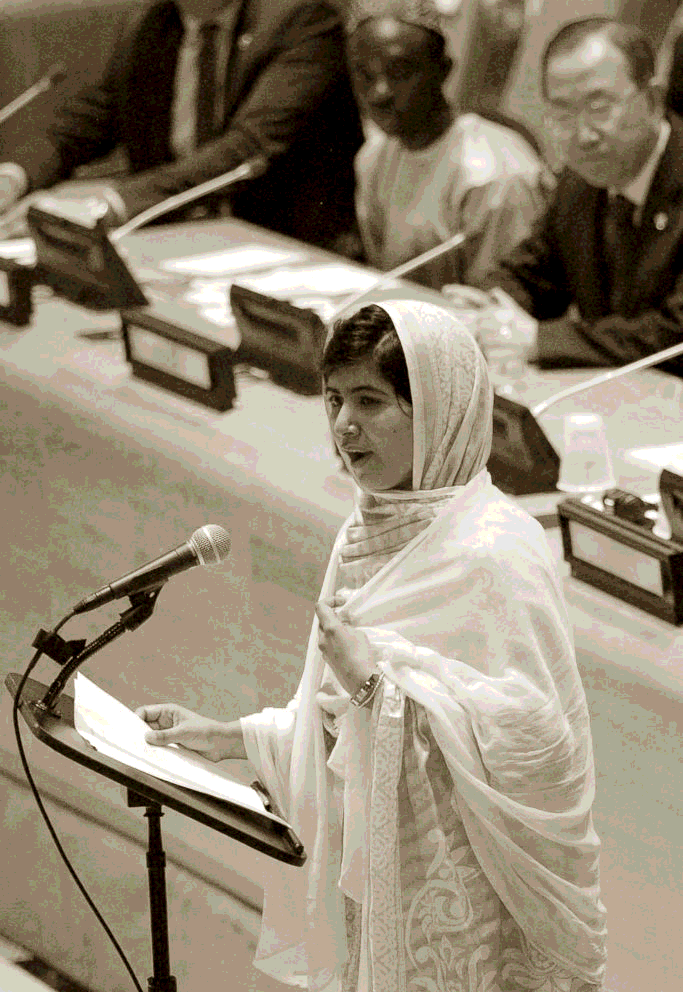
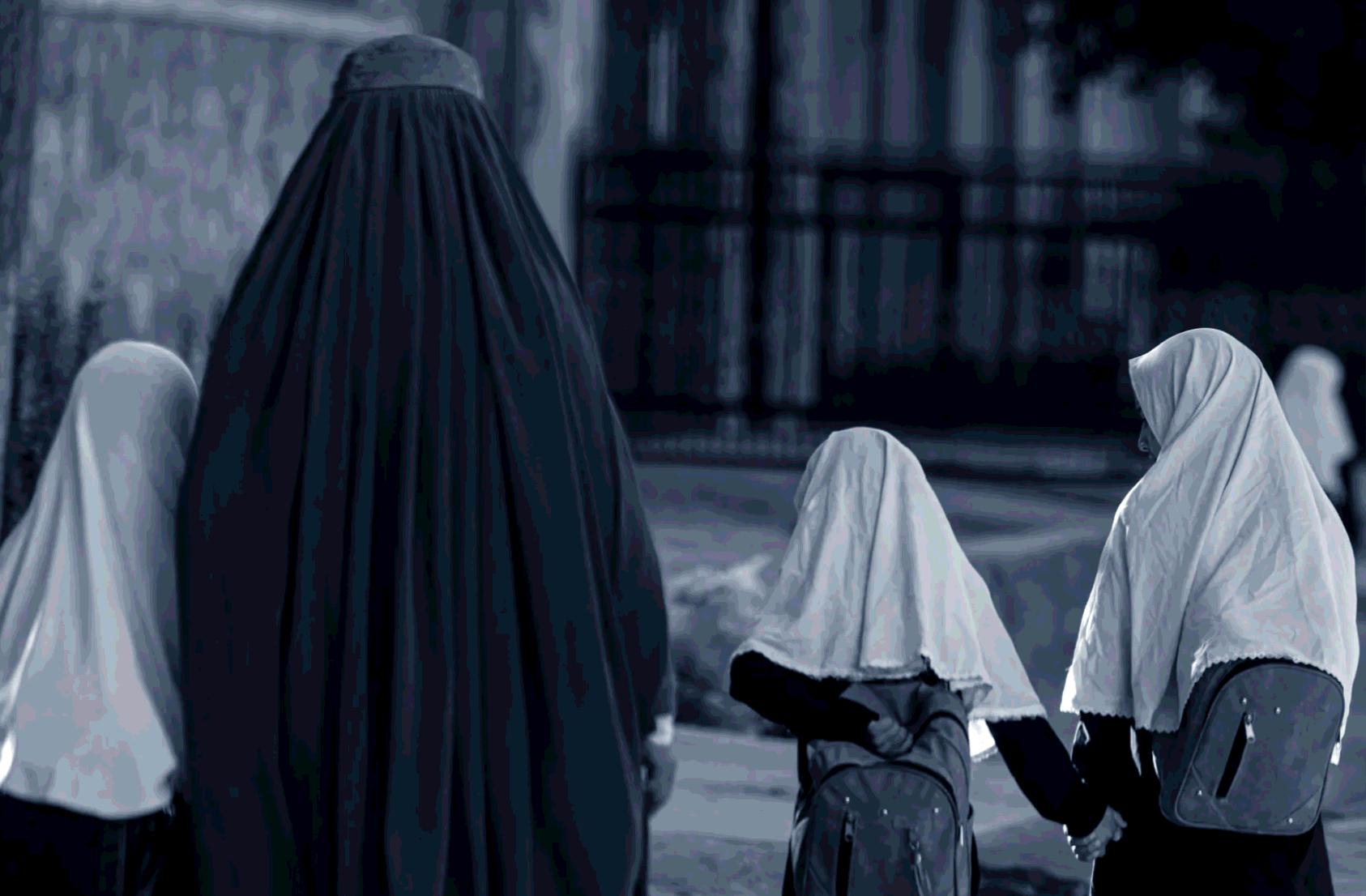
Since the Taliban took power in August 2021, women’s rights in Afghanistan have been systematically dismantled—so severely that the UN has described it as “gender apartheid.” Afghanistan is now the only country where girls and women are formally banned from secondary school and university, affecting over 1.4 million girls and more than 100,000 female university students, and the restrictions on women’s medical training threaten access to care and could raise maternal deaths.
These education bans are part of a wider effort to erase women from public life through dozens of decrees that limit work, movement, dress, and access to public spaces, worsening poverty and fueling a mental health and gender-based violence crisis. Even so, most Afghans support girls’ education, underscoring the urgent need to restore women’s rights for the country to recover.